Karma Lettering: The Art of Meaningful Typography
In today’s digital age, where visual communication is more important than ever, the concept of karma lettering has emerged as a unique and meaningful way to express ideas through typography. This form of art combines the philosophical essence of karma with the creative power of lettering, offering a versatile tool for designers, artists, and everyday creators. Whether you're looking to design a logo, create wall art, or craft handmade items, karma lettering provides an elegant and symbolic approach to visual storytelling.
What Is Karma Lettering?
Karma lettering refers to the artistic representation of words or phrases using stylized typography that embodies the principles of karma—essentially, the idea that actions have consequences and that positive energy can be reflected in visual forms. This style often features intricate, flowing, and symbolic designs that go beyond standard fonts, creating a deeper connection between the message and the viewer.
The term “karma” itself originates from ancient Indian philosophy, suggesting that every action, thought, and intention contributes to one's future experiences. When applied to lettering, this concept transforms simple text into a powerful visual statement, encouraging mindfulness and positivity.
Understanding the Purpose of Karma Lettering
The purpose of karma lettering extends beyond aesthetics. It serves as a medium for expressing values, intentions, and spiritual beliefs. For instance, a designer might use karma lettering to create a logo that conveys a sense of balance, harmony, or ethical responsibility. In this way, the design becomes more than just a visual element—it becomes a symbol of the brand's core values.
Additionally, karma lettering can be used in personal projects, such as handmade cards or invitations, to add a touch of meaning and intentionality. Whether it's a wedding invitation or a birthday card, the use of karma lettering can elevate the emotional impact of the message.
How Karma Lettering Fits Into Modern Creativity
In the realm of graphic design, karma lettering offers a fresh and innovative approach to typography. Unlike traditional fonts, which are often standardized and mass-produced, karma lettering allows for customization and personal expression. This makes it particularly appealing in industries such as branding, web design, and print media, where uniqueness and individuality are highly valued.
Moreover, the rise of digital tools like Adobe Illustrator has made it easier for artists to create and manipulate vector-based lettering. With files available in formats such as AI, SVG, EPS, JPG, and PNG, users can easily integrate karma lettering into their projects, whether they're working on a website, a social media campaign, or a physical product.
Practical Applications of Karma Lettering
The versatility of karma lettering makes it suitable for a wide range of applications. Here are some common uses:
- Logo Design: Brands can use karma lettering to create logos that reflect their mission and values, making them more memorable and meaningful.
- Wall Art: Artists can incorporate karma lettering into murals, posters, or framed artwork to inspire and uplift viewers.
- Handmade Crafts: From custom jewelry to fabric prints, karma lettering adds a personal and thoughtful touch to handmade items.
- Stationery and Invitations: Using karma lettering in greeting cards, thank-you notes, or event invitations can enhance the overall aesthetic and emotional impact.
- Party Decor: Birthday parties, weddings, or other celebrations can benefit from decor elements featuring karma lettering, adding a unique and symbolic flair.
- Web and Graphic Design: Designers can use karma lettering in websites, banners, or social media graphics to create visually engaging content.
The Significance of Vector Artwork in Karma Lettering
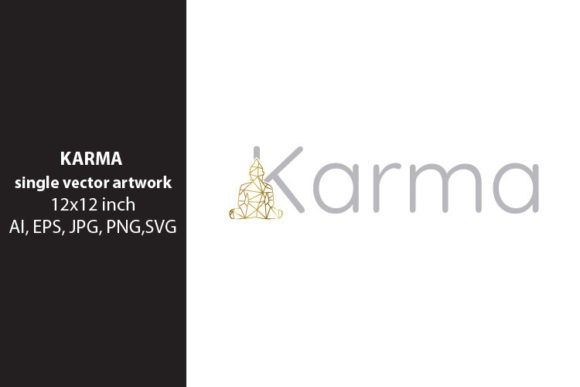
One of the key aspects of karma lettering is its creation as single vector artwork. Vector graphics are scalable without losing quality, making them ideal for both digital and print applications. This means that whether you're designing a small business card or a large banner, the lettering will maintain its clarity and detail.
The availability of files in multiple formats—such as AI, SVG, EPS, JPG, and PNG—ensures that users can choose the most suitable option for their project. For example, AI and EPS files are perfect for professional printing, while SVG and PNG files are ideal for digital use.
Artboard Size and Resolution: Why It Matters
The specifications for the artwork include an artboard size of 12x12 inches and a resolution of 300 dpi. These details are crucial for ensuring that the final output meets high-quality standards. A 12x12 inch artboard provides ample space for detailed lettering, while a 300 dpi resolution guarantees sharp and clear images when printed.
The RGB color palette further enhances the vibrancy and richness of the artwork, making it suitable for both digital and print use. Additionally, the inclusion of transparent background PNG files allows for seamless integration into various design projects, such as web graphics or layered compositions.
How to Use Karma Lettering in Your Projects
Using karma lettering in your work is straightforward, especially with the provided digital files. Here’s a quick guide to help you get started:
- Download the Files: Access the ZIP file containing the AI, SVG, EPS, JPG, and PNG files.
- Choose the Right Format: Select the file type that best suits your project. For example, use AI or EPS for professional printing, and SVG or PNG for digital use.
- Edit in Adobe Illustrator: Open the AI file in Adobe Illustrator to customize the lettering, adjust colors, or modify the design as needed.
- Export and Use: Once you're satisfied with the design, export it in the desired format and incorporate it into your project.
This process ensures that you can easily adapt the artwork to fit your specific needs, whether you're a professional designer or a hobbyist.
Common Misconceptions About Karma Lettering
Despite its growing popularity, there are still some misunderstandings about what karma lettering truly represents. One common misconception is that it is solely a spiritual or religious concept. While it draws inspiration from the idea of karma, it is also a versatile artistic tool that can be used in various contexts, including commercial and personal projects.
Another misunderstanding is that karma lettering is difficult to create or requires advanced skills. However, with the right tools and resources, anyone can learn to produce beautiful and meaningful lettering. The availability of pre-designed files makes it even easier for beginners to experiment and explore this unique form of art.
Conclusion: Embracing the Power of Karma Lettering
Karma lettering is more than just a design trend—it's a meaningful and expressive form of visual communication that resonates with both creators and audiences. By combining the principles of karma with the art of typography, it offers a powerful way to convey messages, values, and intentions through design.
Whether you're a designer looking to add depth to your work or an individual seeking to create something special, karma lettering provides a unique and inspiring approach to creativity. With its versatility, quality, and symbolic significance, it's no wonder that this form of art is gaining popularity in today's design landscape.