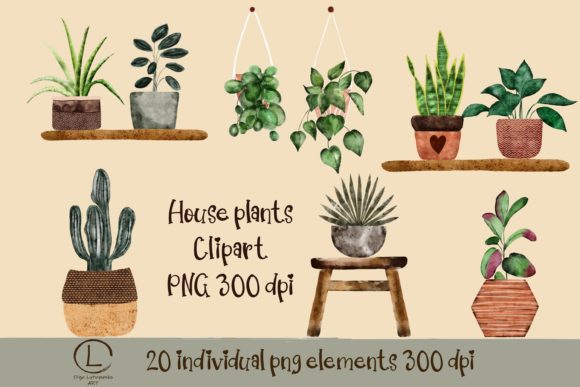
Watercolor Plants Clipart for Creative Workflows
Watercolor Plants Clipart offers a versatile and visually appealing resource for creators, designers, and hobbyists looking to enhance their projects with hand-painted elements. This collection of 20 high-quality watercolor house plants and floral wreaths in PNG format provides a professional touch that can be integrated into various creative workflows. Whether you're working on digital or physical designs, these cliparts serve as valuable assets that streamline the planning and execution phases of your projects.
Understanding Watercolor Plants Clipart
Watercolor Plants Clipart refers to a set of digital images created using traditional watercolor techniques. These images are typically designed for easy integration into graphic design, digital art, and other visual projects. The collection includes 20 individual PNG files, each featuring unique watercolor elements such as house plants and floral wreaths. These images are available in high resolution—3600 x 3600 pixels at 300dpi—ensuring clarity and detail when used across different mediums.
The versatility of this clipart makes it suitable for a wide range of applications, from personal projects like scrapbooking and papercraft to professional uses such as branding, invitations, and web design. Its high quality ensures that it maintains visual integrity even when scaled or printed on various surfaces.
Integration into Creative Processes
Watercolor Plants Clipart can be seamlessly integrated into different stages of a creative process. Before starting a project, these elements can inspire ideas and provide a visual reference for color schemes, compositions, and themes. During the execution phase, they can be used as overlays, backgrounds, or decorative accents to add depth and interest to designs. After the project is completed, they can serve as templates for future work or be repurposed for new creative endeavors.
For example, a designer working on a blog post about indoor gardening might use these cliparts to create a cohesive visual theme. By incorporating the watercolor elements into the layout, the designer enhances the aesthetic appeal while maintaining a professional look. Similarly, a DIY enthusiast creating handmade cards could use the cliparts to add a personal and artistic touch to their work.
Workflow Applications and Practical Tips
When incorporating Watercolor Plants Clipart into your workflow, consider the following practical tips:
- Preparation: Organize the clipart files by category or project type to ensure quick access during the design process. Use consistent naming conventions to make it easier to locate specific elements when needed.
- Compatibility: Ensure that the file formats and resolutions match the requirements of your design software or printing equipment. The high-resolution PNG files provided are compatible with most graphic design tools and can be easily edited or layered.
- Usability: Experiment with different placements and combinations of the cliparts to find the best fit for your project. Consider how the elements interact with other design elements, such as text, colors, and backgrounds.
- Efficiency: Use the cliparts as templates for repetitive tasks, such as creating multiple cards or designing a series of social media posts. This approach saves time and ensures consistency across your work.
- Quality Control: Regularly review the final output to ensure that the cliparts maintain their visual quality and do not appear pixelated or distorted. Adjust settings as needed to achieve the desired results.
By following these tips, you can maximize the effectiveness of Watercolor Plants Clipart in your creative projects. The key is to understand how these elements can complement your existing tools and resources while enhancing the overall quality of your work.
Collaboration and Resource Synergy
Watercolor Plants Clipart can also serve as a valuable resource when working with other tools and platforms. For instance, when using design software like Adobe Photoshop or Canva, these cliparts can be easily imported and manipulated to fit specific design needs. They can also be combined with other digital assets, such as fonts, illustrations, and photographs, to create a more dynamic and engaging visual experience.
In collaborative environments, these cliparts can act as a common visual language that helps align team members around a shared design direction. Whether you're working on a marketing campaign, a product packaging design, or a content creation project, having a consistent set of visual elements can improve communication and streamline the creative process.
Long-Term Use and Maintenance
Considering the long-term use of Watercolor Plants Clipart, it's important to maintain an organized system for storing and accessing these files. Create a dedicated folder or cloud storage location where all cliparts are kept, and update it regularly as new elements are added or existing ones are modified. This practice ensures that you can quickly retrieve the right assets when needed, without wasting time searching through disorganized files.
Additionally, consider backing up your clipart files to prevent data loss. Cloud storage solutions, external hard drives, or version control systems can help protect your digital assets and ensure they remain accessible over time. This level of organization is especially important for professionals who rely on these resources for ongoing projects or client work.
Conclusion: Enhancing Creativity with Watercolor Plants Clipart
Watercolor Plants Clipart offers a powerful tool for enhancing creativity and streamlining the design process. By understanding its role in different stages of a project, integrating it effectively into your workflow, and maintaining a consistent system for its use, you can unlock new possibilities for your creative work. Whether you're a seasoned designer or a hobbyist exploring new techniques, these elements provide a valuable addition to your toolkit, helping you achieve visually striking results with ease.